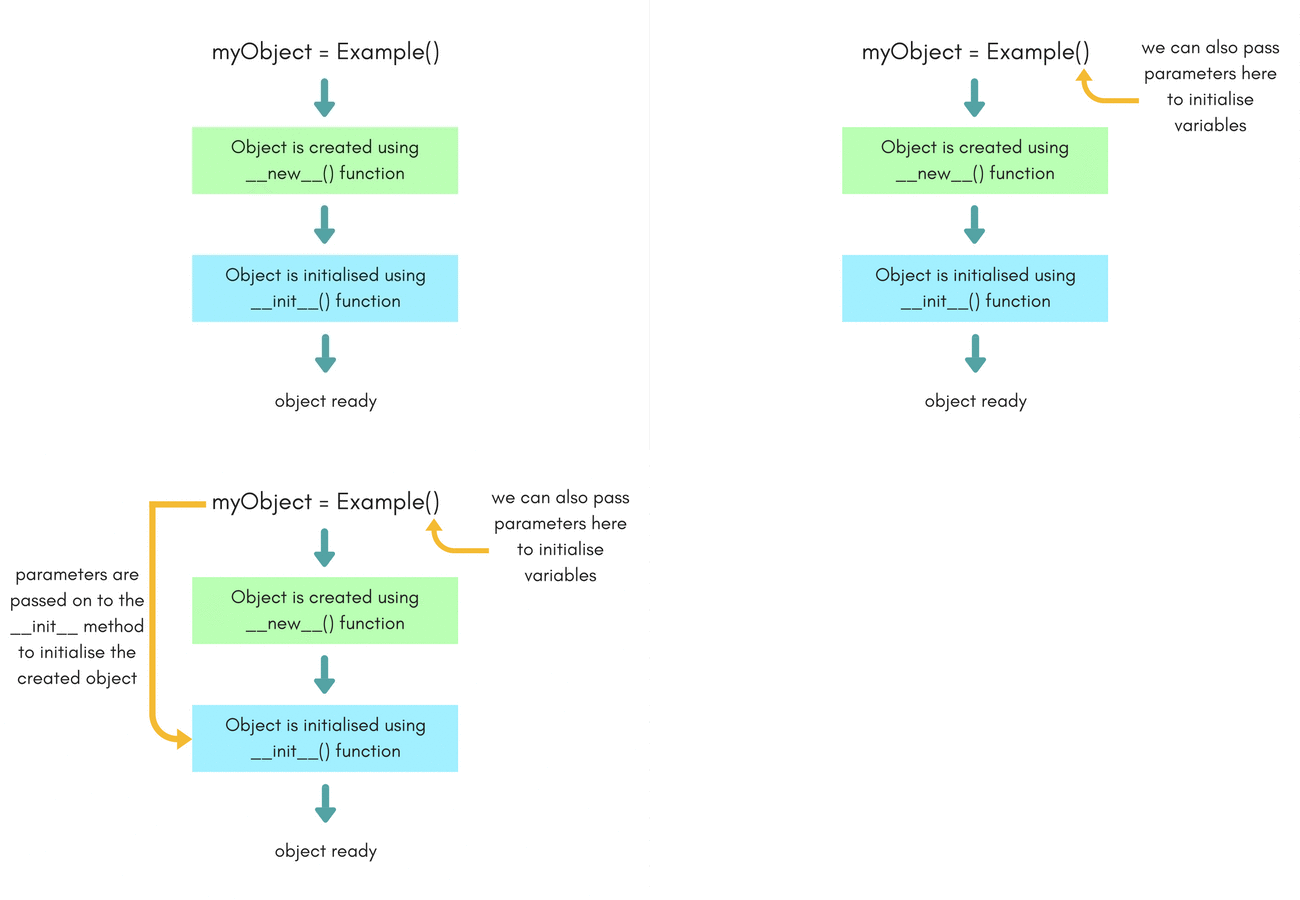
Mutable default arguments dont generally do what you want. In Python the class name provides what other languages such as C and Java call the class constructorCalling a class like you did with Person triggers Pythons class instantiation process which internally runs in two steps.

Constructor In Python Python Guides
Body of the constructor.

. Selfname name selffuel fuel def statusself. If any of the arguments are mutable then you need to use the usual idiom. Syntax for creating constructor in Python.
Lets understand this through a function student. Def __init__self name Enterprise fuel 0. Selffoo if foo is None else foo.
This constructor in python does not accept any type of arguments. This constructor doesnt accept any arguments. Printselfname selfage selfclassroom creating object of the Student class emma StudentEmma emmashow kelly StudentKelly 13.
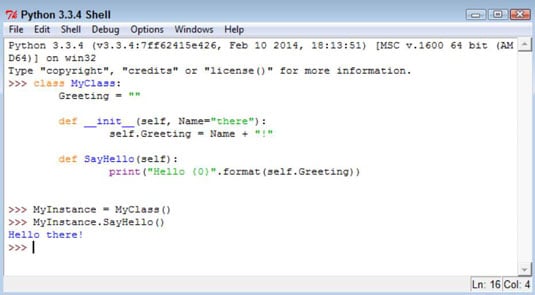
Constructor with default values age and classroom def __init__self name age12 classroom7. In the constructor you can set variables and call methods. Syntax of constructor declaration.
If provided this will be the default value for this field. The default value is assigned by using the assignment operator of the form keywordnamevalue. A_value a_value class B.
The constructor which has parameters is known as parameterized constructors. Def function_nameparam1 param2value2 param3value3. Python python In this syntax you specify default values value2 value3 for each parameter using the assignment operator.
This is needed because the field call itself replaces the normal position of the default value. Unfortunately we cannot define multiple constructors for a single class in Python. Self takes the address of the object as its argument and it is automatically provided by Python.
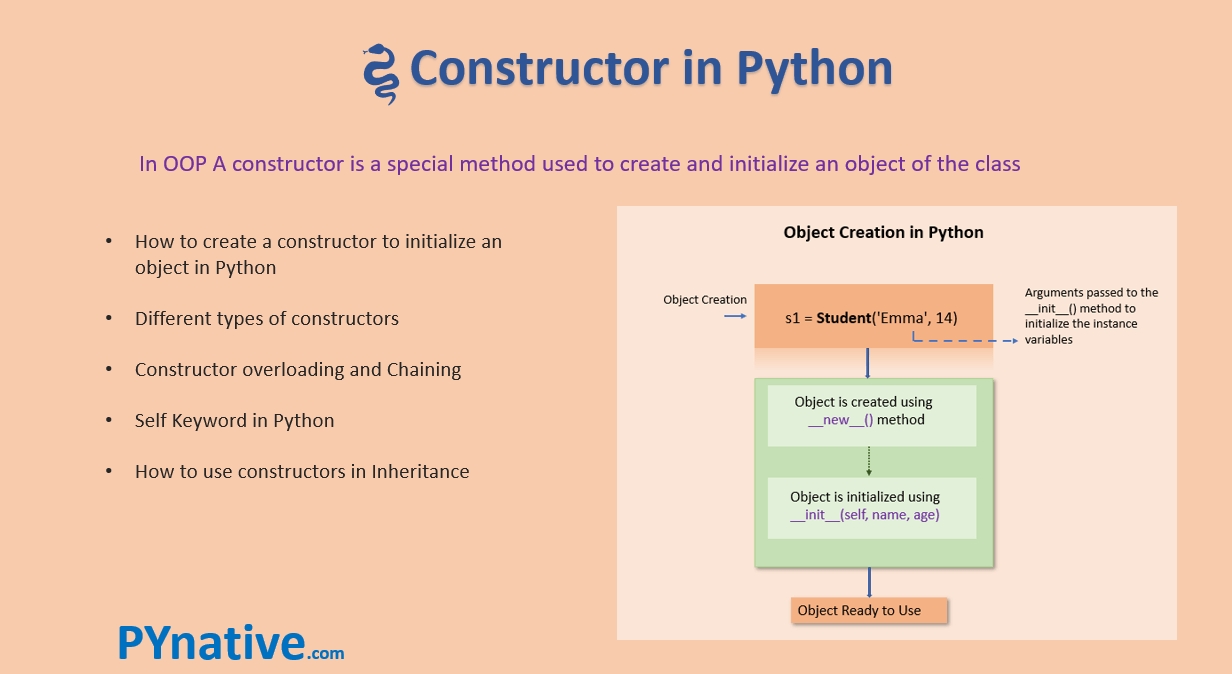
Def __new__ cls args kwargs. A constructor is called if you create an object. Types of constructors.
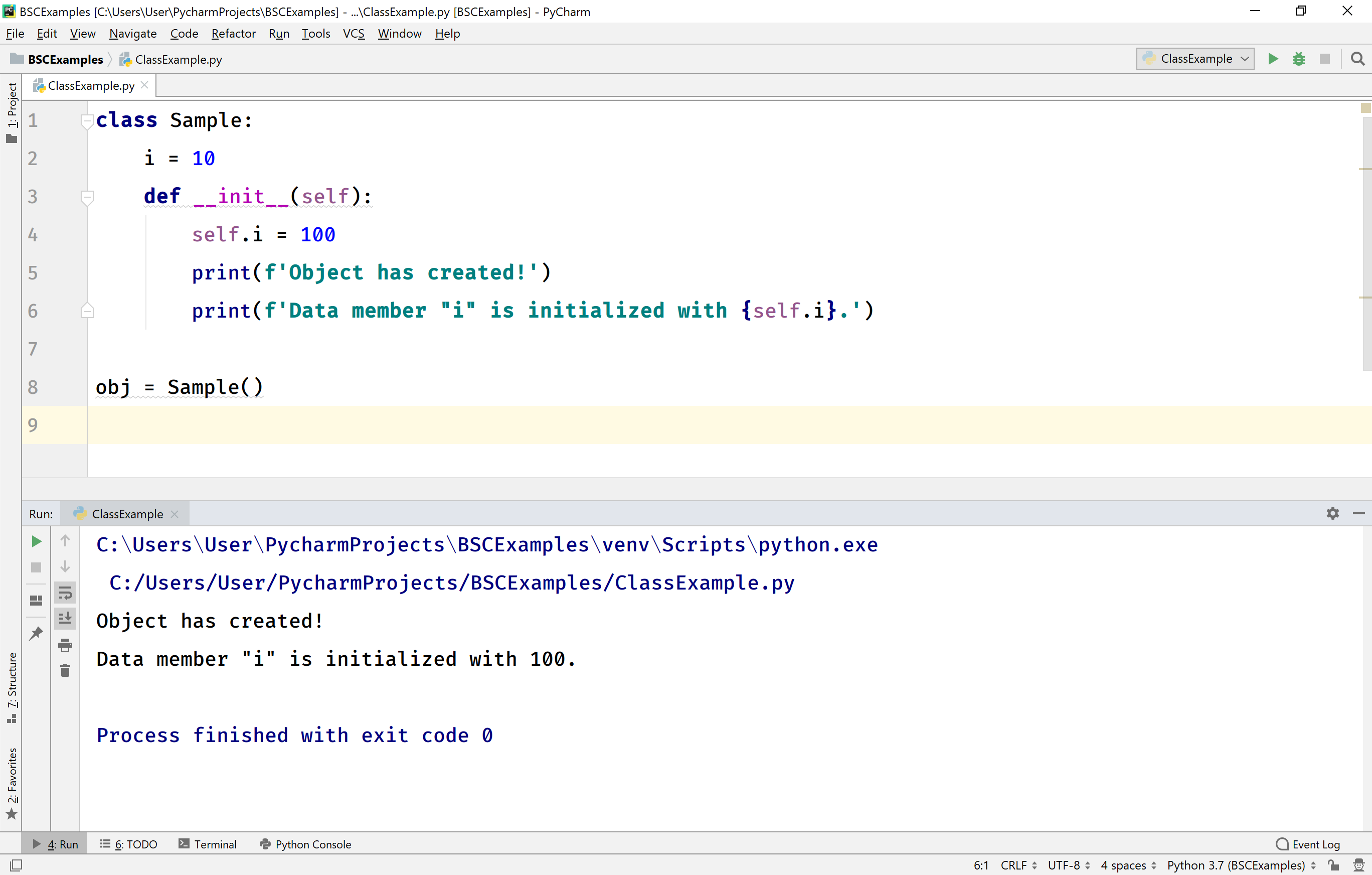
Default constructor def __init__self. The first argument refers to the current object. If selffuel 0.
When you call a function and pass an argument to the. Object Initialization and self-parameter A constructor is essentially a class function with its name surrounded by double underscores __. Def __init__ self a_value.
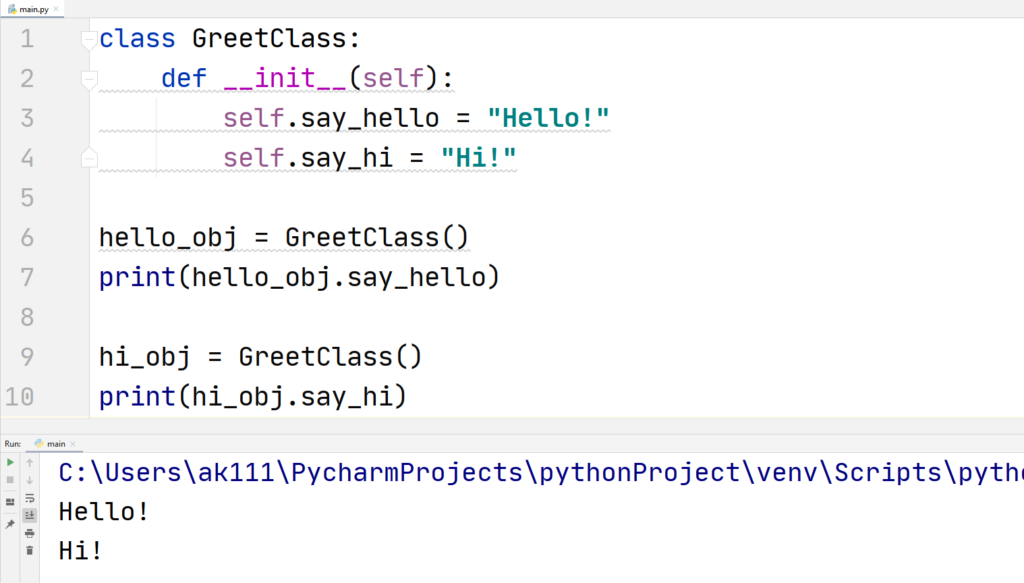
SelfwordList else. Def __init__ self arguments The def keyword is used to define it because its a function. Initiating objects from different classes will call different constructors.
Printselfmsg creating object obj Test objdisplay. To add optional arguments to classes in Python we have to assign some default values to the arguments in the classs constructor function signature. We have two types of constructors in Python.
0122 For example say a calendar. To continue with the. 0135 And there might be another process where somewhere within the program theyre allowed to provide a value for a which might be a different day of the week.
Selfmsg Default constructor a method for printing data members def displayself. You can also see that there was no previous binding for spam before the global assignment. The default value will be considered if no values are passed for these optional.
Print Initialize the new instance of B self. SelfwordList wordList if adjacencyList is None. Def __init__ self fooNone.
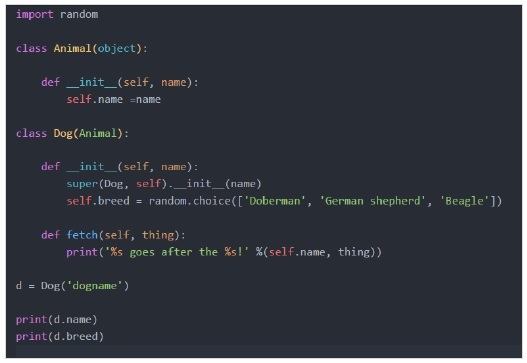
Def __init__ self wordListNone adjacencyListNone. It binds the instance to the init method. We always call it __init__.
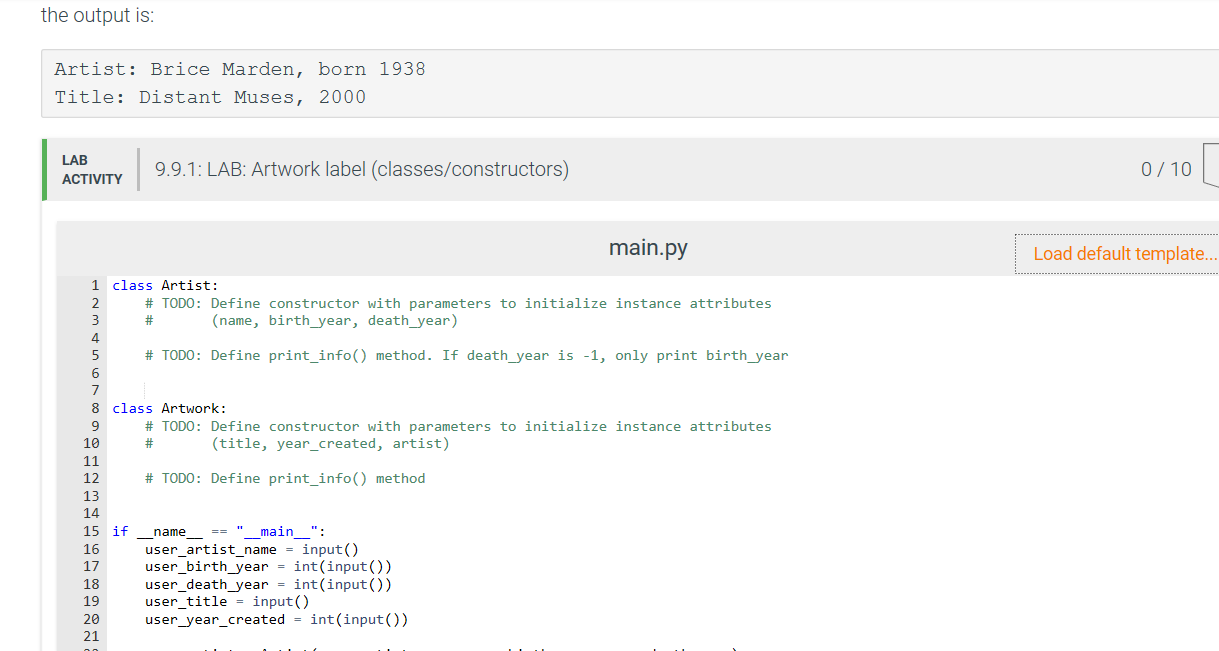
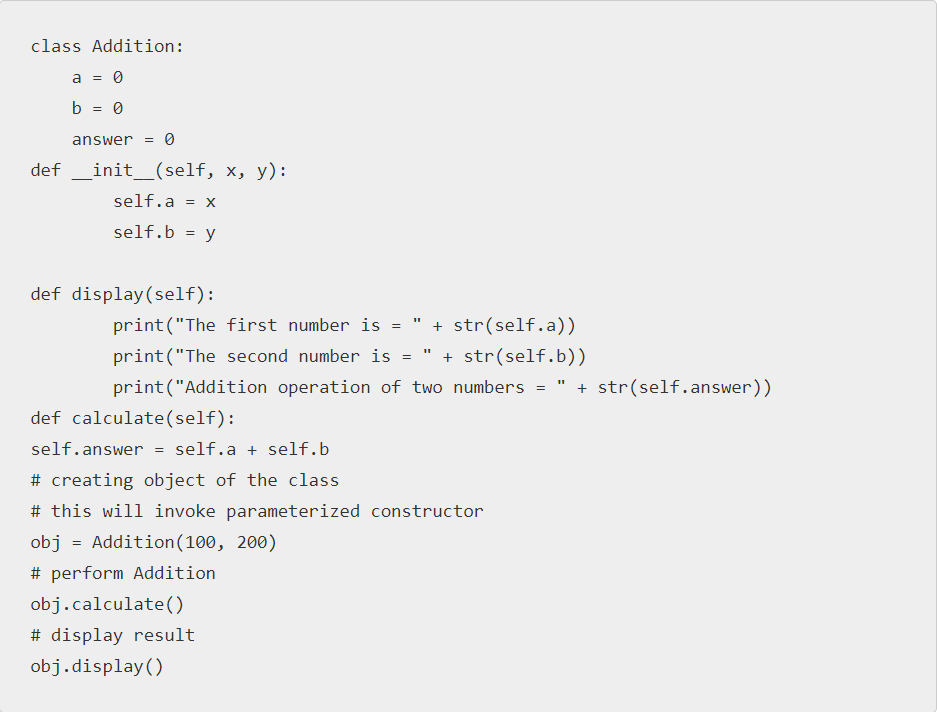
In C or Java a constructor has the same name as its class but things arent the same with Python. The task of constructors is to initializeassign values to the data members of the class when an object of the class is created. Default constructor this is the one which we have seen in the above example.
A default parameter constructor is the one that automatically assigns a value to its class attributes if no parameter is passed while creating the class object. A First Look at Classes. A general method of getting around this limitation is to use a default parameter constructor.
Initialize the instance with suitable instance attribute values. If provided it must be a zero-argument callable that will be called when a default value is needed for this field. Adding default values is a straightforward task.
Its usually named self to follow the naming convention. To specify default values for parameters you use the following syntax. The function student contains 3-arguments out of which 2 arguments are assigned with.
In Python the __init__ method is called the constructor and is always called when an object is created. Print Initialize the new instance of A self. If wordList is None.
Default values of newly created objects can be set in the constructor. Create a new instance of the target class. It will contain only one argument in reference to the constructor which is build in the program.
Selffuel 0 print selfname nFuel selffuel n main ship1 Ship ship1status ship2 ShipSpace Ship1 ship2status ship3 Ship10 ship3status ship4 ShipSpace Ship2 10 ship4status. By default this method takes one argument known as self. Parameterized constructor constructor with parameters is known as.
Return A 42 def __init__ self b_value. Constructors let us initialize an object. Ab_classespy class A.
We know many calendars begin their week on a Sunday so we might create a variable called default which is equal to the string Sunday. SelfadjacencyList else. Note how the local assignment which is default didnt change scope_tests binding of spamThe nonlocal assignment changed scope_tests binding of spam and the global assignment changed the module-level binding.
Default values indicate that the function argument will take that value if no argument value is passed during the function call. The __init__ function syntax is. The constructor of a class is unique.
This will only take the first argument as the reference whereas all the other. Among other purposes this can be used to specify fields with mutable default. We have to equate arguments to their default values like x 3 name Untitled etc.
Selfname name selfage age selfclassroom classroom display Student def showself. Selfname name selfnumber number. To create a constructor in Python we need to define a special kind of magic method called __init__ inside our class.
We can define as many parameters as we need. Def __init__ self nameUndefined number-1. Example Default constructor in Python The constructors are to initialize assign value to the data members of the class when an object of the class is created.
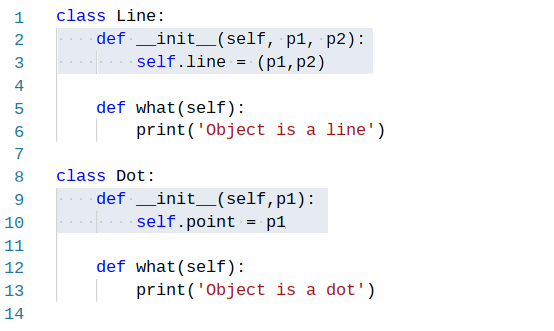
Constructors In Python Python
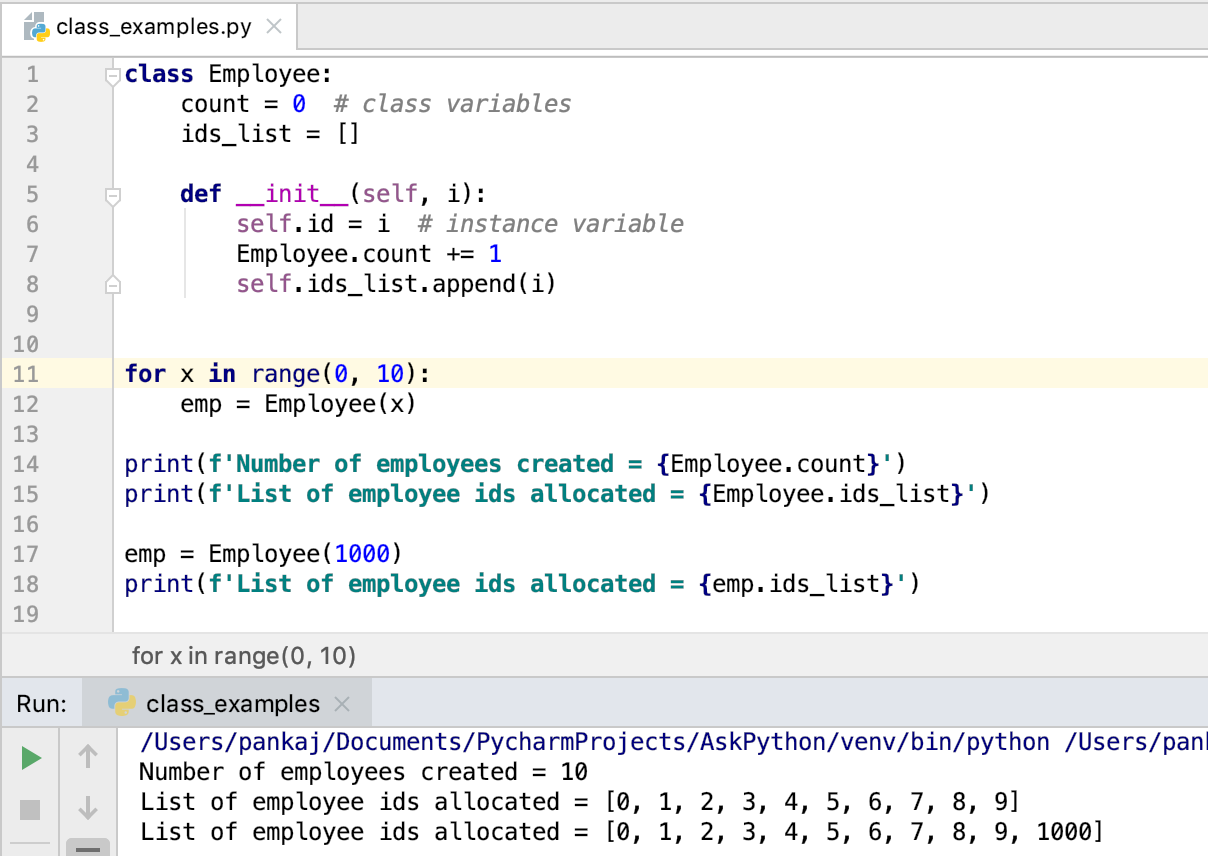
Python Classes And Objects Askpython
Constructor In Python Working Of Python Constructor Wih Sample Code
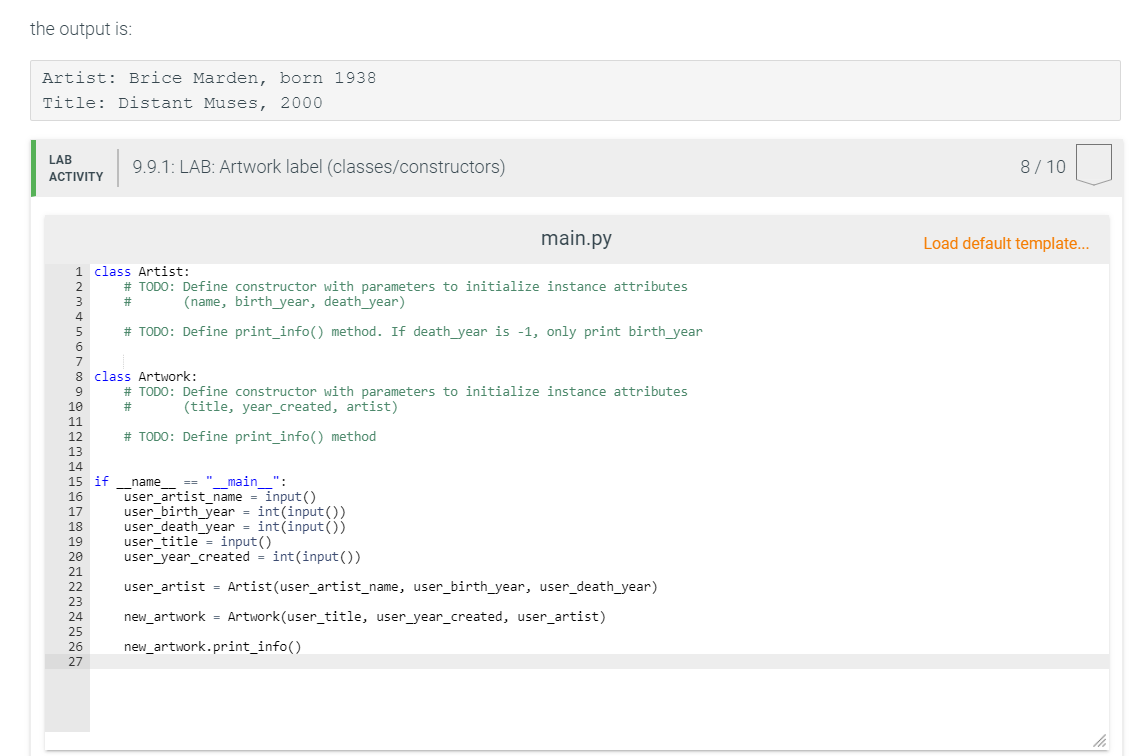
Solved Python Please What I Done Class Artist Todo Def

Constructors An Overview Sciencedirect Topics
Python Constructors Studytonight

Constructor In Python Python Guides
Inheritance And Polymorphism
Python Tutorials Constructor Class And Object Init
Constructor In Python Python Guides
Solved Please Help Have No Idea Whatto Do In Python Pl

Constructors In Python For Data Science Pst Analytics
How To Write Both A Parameterized And Default Constructor In A Single Python Class Quora
Python Class Constructor Default Parameterized Developer Helps
Dart Class Constructor Default Value Code Example
How To Create A Constructor In Python Dummies
Python Constructors Tutorialbrain

When Is An Object Initialized In A Python Constructor Expression Stack Overflow
Constructor In Python Guide Pynative
